Technology
Plastic Coating Technology Trends in new year: From Waterborne Paints to Plasma
The key technology trends in painting and coating plastic parts for new year: waterborne and UV-curable paints, plasma surface activation, anti-fingerprint functional coatings, waterborne soft-touch and the move to PFAS-free coatings.
Published on 7 min read
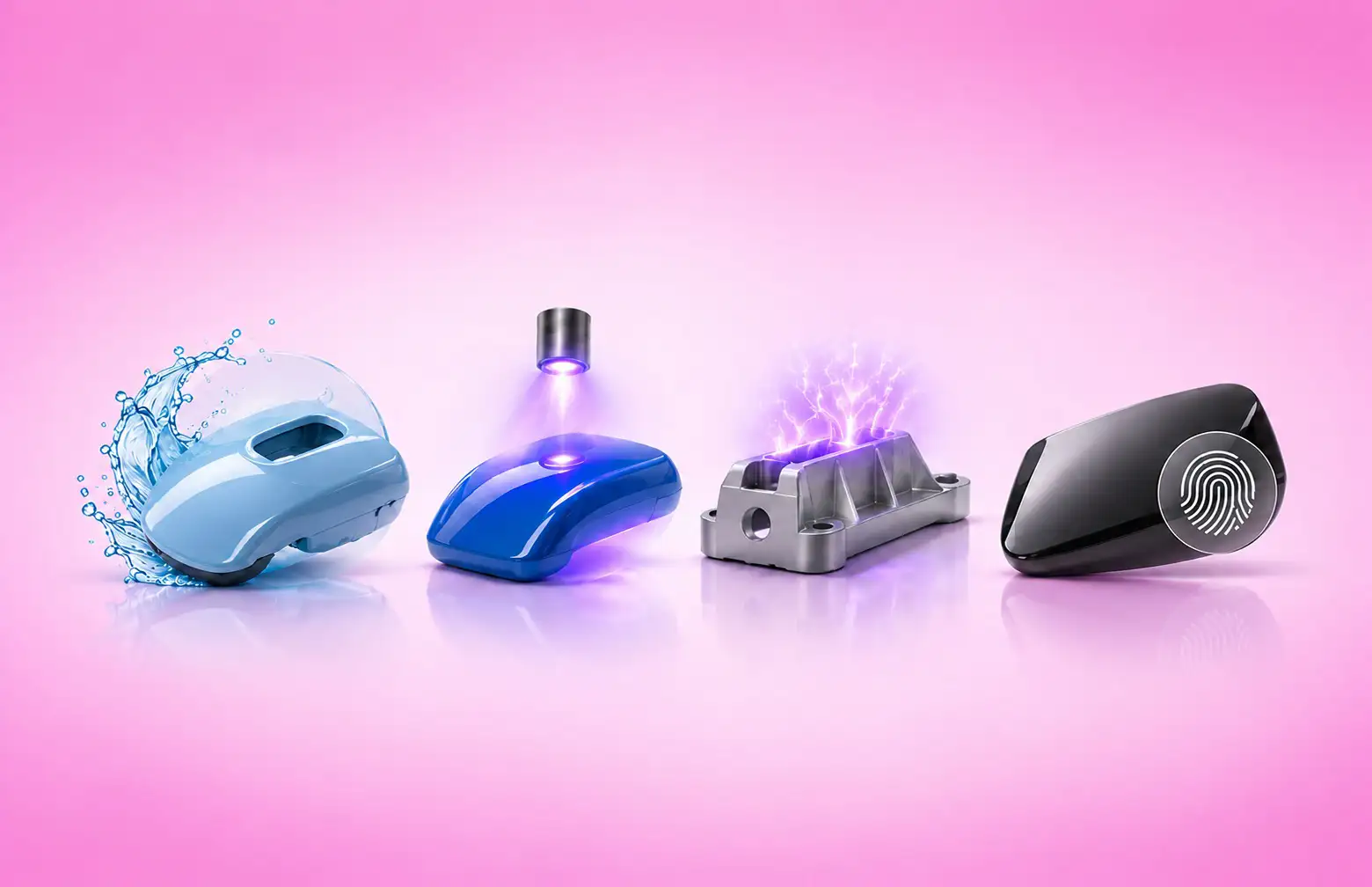
Painting plastic parts has quietly become an important part of the coatings industry from appliance housings and electronics enclosures to car bumpers and interior trim. According to The Business Research Company, the global plastic coatings market grows from about US$6.9 billion in 2025 to about US$7.18 billion in new year, roughly 4% a year. Here are the technologies changing it.
1. From solventborne to waterborne and UV
Regulatory pressure and sustainability targets are pushing demand away from solventborne paints toward waterborne, high-solids and UV/EB-curable technologies. UV paints are especially attractive for plastics: they cure in seconds under ultraviolet light, use less energy and, because they don't need high heat, suit heat-sensitive polymers.
2. Smarter, more precise surface activation
Many plastics have low surface energy, so paint needs a primer or surface treatment to bond polypropylene is the classic example. Flame and atmospheric-plasma treatment activate the surface in a fraction of a second and are increasingly combined with robots and automated lines so every part gets the same result.
In plastic painting, real progress often happens not in the paint itself but in surface preparation.
3. Functional coatings: anti-fingerprint, antimicrobial, self-cleaning
Smart and functional coatings with self-cleaning, antimicrobial and anti-fingerprint properties are gaining ground in automotive interiors, electronics and high-touch surfaces. For home appliances, that means panels and buttons that stay clean longer and are easier to wipe down.
4. Next-generation soft-touch now waterborne
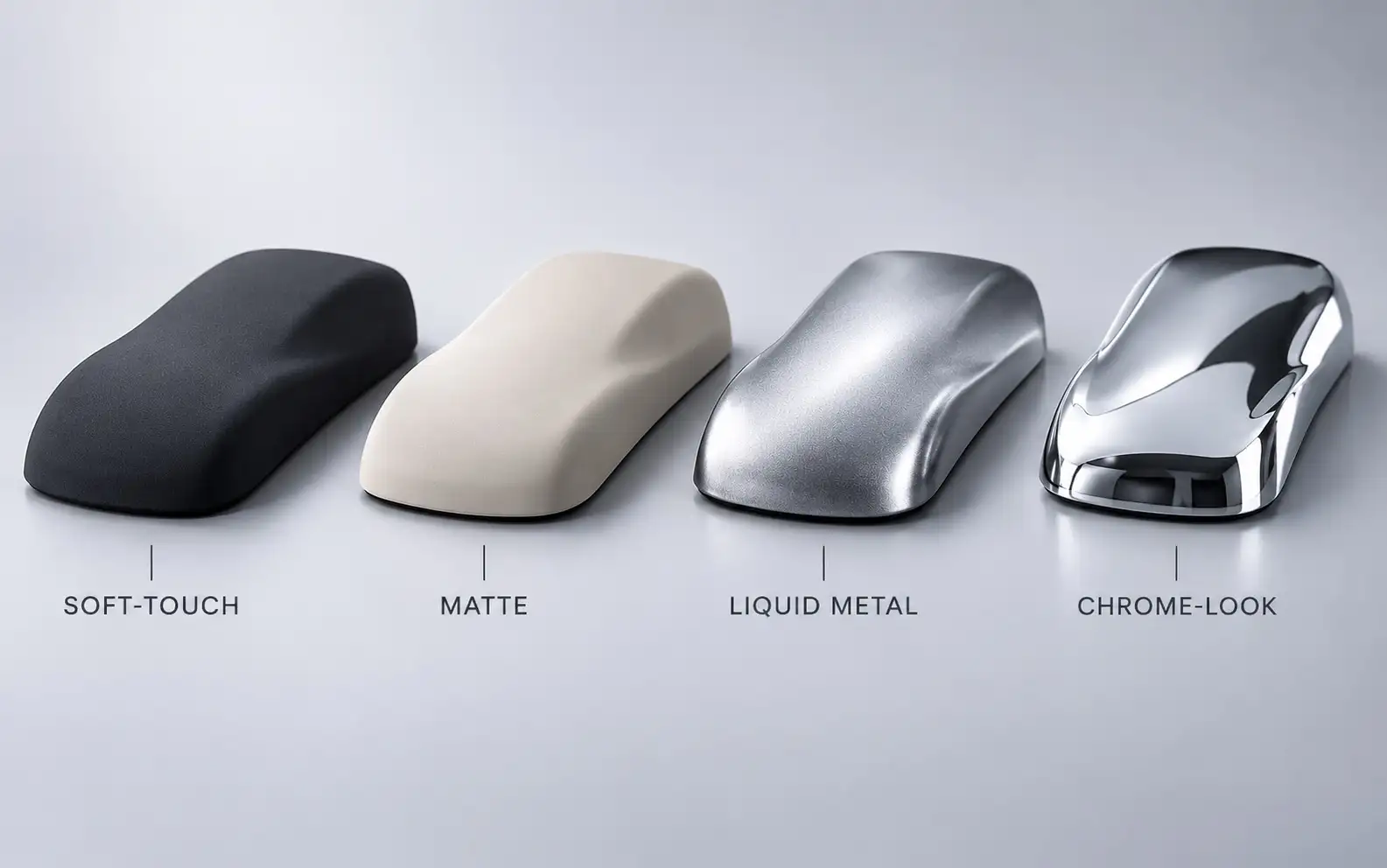
Soft-touch coatings, which give plastic a velvety or rubbery feel, now come as waterborne systems in several variants: matte soft-touch, rubberised feel, silky touch and anti-scuff soft-touch. The last targets one of the old weaknesses of soft-touch finishes vulnerability to abrasion.
5. PFAS-free coatings
Tightening rules on PFAS substances in several markets are pushing manufacturers toward fluorine-free alternatives. In new year, Plasmatreat and Fraunhofer IFAM announced a collaboration to rapidly industrialise PFAS-free plasma coatings, aimed in part at plastics processing and mould making. Over time, this shift is reaching paint additives and surface coatings for plastic parts too.
6. Digital colour matching
When one product combines parts in different polymers an ABS housing with PC buttons, say colour consistency is critical. Instrumental colour and gloss measurement against a standard is replacing purely visual comparison and reduces colour differences between parts.
What these trends mean for your order
- Identify the exact polymer it's usually moulded into the part (e.g. >PP< or >ABS<).
- Ask how the surface will be activated and primed, especially for PP.
- For high-touch parts, consider a scratch-resistant clear or anti-scuff soft-touch.
- Ask for a painted sample and an adhesion test before production.
At Saro Coating we review these options with you on WhatsApp before work starts, so the paint system matches your part's material and use.